We built this because we kept losing the good ones.
If you work in nonprofit or church communications, you already know the moment. Someone tells you what your organization did for them, and it is better than anything you could have written. You are not recording. You are not taking notes. You are just standing there listening, thinking, I have to remember this.
By Thursday it is gone. What is left is a paraphrase, and paraphrases do not move people.
The problem was never storytelling. It was capture.
Every organization we talk to believes it has a storytelling problem. It does not. The people inside it are already telling extraordinary stories, out loud, all day. In hallways. In car rides. On the last night of the trip.
What breaks is everything after that. The form nobody fills out. The interview nobody has time to schedule. The transcript nobody wants to clean up. The good stuff never makes it from a conversation into something you can use.
That gap is the whole reason CaptureCulture exists. It works like an AI notetaker, built for the people your work changes instead of for meetings.
Who built it
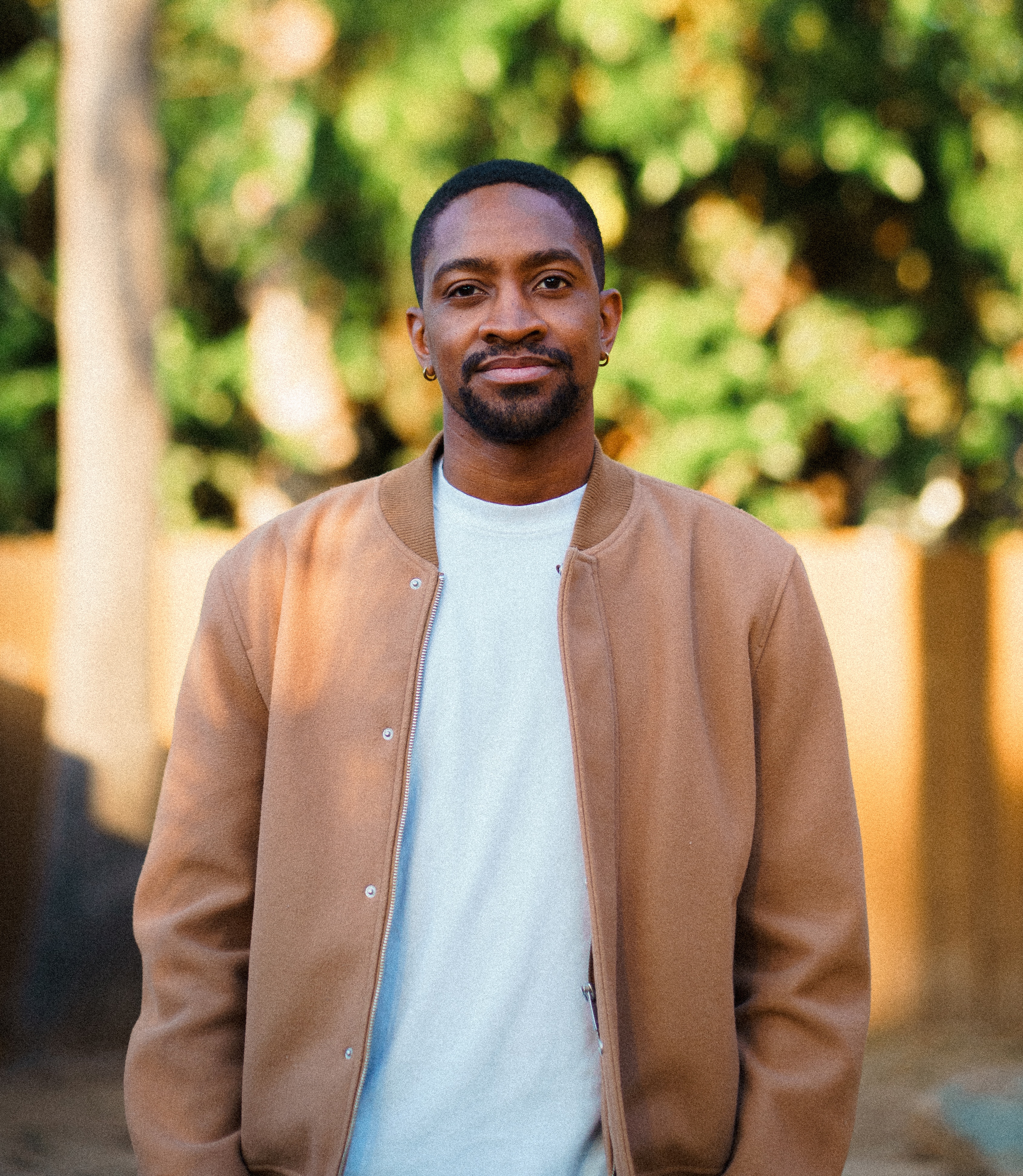
I am Vince Freeman. I spent close to 20 years in church and nonprofit communications, including leading visual media at one of the largest churches in California, and I run Damascus Creative, a brand strategy practice for mission-driven organizations.
Our church ran a Christmas outreach for more than twenty years. Thousands of families came through it, across multiple locations in the city. Every year the video team turned around a recap overnight so it could play Sunday morning.
One year we decided to get ahead of it and build the video around one person whose life the event had changed. Then we sat in a room and realized we had no idea who to pick. Twenty years of it, and no way to find a single name. Not because nobody cared. Because it had never been anyone's job. The pastors planning the event were planning the event. The video team was making the video. Nobody owned the stories.
That is the part that got me. We had spent two decades of money, staff time, and volunteer hours on this, and the one thing that would have proven it was worth doing was the one thing we had never bothered to keep.
We could have run last year's recap with new numbers on it and nobody would have known the difference. I understood right then why so many organizations do exactly that.
It took months to find two families. We got lucky. We finished the video close enough to the deadline that I still think about what would have happened if those calls had gone the other way.
People remembered the stories.
Nobody remembered the stats.
I built CaptureCulture on the other side of that. Not as a writing tool, because writing was never the hard part. As a way to catch the conversation while it is happening, and put it somewhere you can find it a year later.
What we believe
The conversation is the product.
AI stays backstage. Nobody talks to a form and nobody talks to a bot. A real person asks the questions, and another real person answers.
The hero is never the organization.
The hero of every story you capture is the person your work changed. We build the tool to make that hard to get wrong.
Consent belongs on the recording.
Storytellers say their own name, choose how their story can be shared, and hear it read back to them. That is not a legal checkbox bolted on at the end. It is part of the conversation.
Capture should spread wide. Crafting should stay close.
Anyone on your team can capture. Only the people you trust decide what gets published.
Stories outlive the campaign.
You cannot replay a recap video from four years ago. The logo changed, the branding aged, the footage looks dated the moment you cut it. But the family whose life changed at that event is still that family. Tell their story today and it lands the same. Everything around a story expires. The story does not.
What working with us looks like
When you start, you get me. I run the onboarding call, I answer the support email, and if something is broken I am the one fixing it. Ask me whether a feature exists and I will tell you yes, no, or not yet, without dressing it up.
Most of what is in CaptureCulture today came from someone telling me what they needed. If you have an opinion about how this should work, I want to hear it while it can still change something.
Talk to the Founder
If you want to see the product before you sign up for anything, book 20 minutes and I will walk you through it live.
Start capturing this week.
No credit card. English and Spanish. Cancel anytime.
Or book a 20-minute walkthrough